Hoodie, Sweatshirt or Jacket: What to Wear in Winter?
Hoodie vs Sweatshirt vs JacketQuick answer: Choose a hoodie or sweatshirt when you want a comfortable mid-layer for cool weather or indoor wear. Choose a jacket when you need an outer layer, especially in wind or colder conditions. A hoodie has a hood; a sweatshirt usually does not. A jacket is a separate outerwear category and may have a lining, fasteners or wind-resistant fabric. The warmest choice depends on its material, construction, fit and the conditions you will wear it in.
When winter arrives, it is easy to wonder whether a hoodie, sweatshirt or jacket is the right choice. These items can all be part of a winter outfit, but they serve slightly different purposes. A sweatshirt is usually a pullover top, a hoodie is a sweatshirt-style top with a hood, and a jacket is designed as outerwear. Some jackets are light, while others are insulated, so the name alone does not tell you how warm a garment will be.
The right choice depends on the weather, your plans, how much time you will spend outdoors and whether you want to layer. This guide explains the difference between a hoodie, sweatshirt and jacket, how to layer them, and what to check before buying. You can also browse the winter wear collection at Digital Prakash to compare available styles.
Hoodie vs Sweatshirt vs Jacket: At a Glance
| Item | What it is | A good option when | Check before choosing |
|---|---|---|---|
| Hoodie | A top with a hood, often with a front pocket | You want a casual layer for cool weather | Hood, cuffs, fabric and how it fits over other clothes |
| Sweatshirt | A pullover or zip-up top, often without a hood | You want a simple, comfortable layer | Neckline, fabric weight and room for movement |
| Jacket | An outerwear layer, which may be lined or unlined | You want a layer over a shirt, hoodie or sweatshirt | Lining, closure, wind protection and intended use |
These are general descriptions. A thick hoodie may feel warmer than a lightweight jacket, while a lined jacket may be more suitable outdoors than a thin sweatshirt. Check the specific product details instead of relying only on the garment name.
What Is a Hoodie?
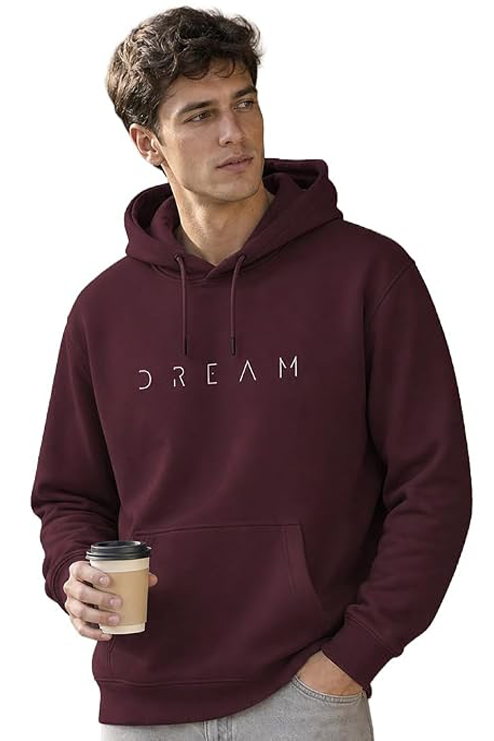
A hoodie is a sweatshirt-style garment with an attached hood. Many hoodies also have a front pouch pocket or separate side pockets, ribbed cuffs and a ribbed hem. Some are pullovers, while zip-up versions open down the front.
The hood is the most obvious difference between a hoodie and a crewneck sweatshirt. It can add casual style and provide some coverage for your head, but a hood does not make every hoodie suitable for very cold, wet or windy weather. The fabric, lining and overall construction matter too.
A hoodie can work well for:
Casual outings in cool weather
Relaxed days at home or on campus
Layering over a T-shirt
Wearing under a jacket when the fit allows it
A comfortable travel or commute outfit
A hoodie is often easy to style with jeans, joggers or casual trousers. If you plan to wear it under a jacket, check that the jacket has enough room in the shoulders and sleeves. A thick hoodie underneath a close-fitting jacket can feel restrictive.
What Is a Sweatshirt?
A sweatshirt is a casual top with long sleeves, usually made from a soft knit fabric. A classic crewneck sweatshirt has a round neckline and no hood. Sweatshirts can also have a half-zip or full-zip opening, depending on the design.
The word “sweatshirt” can describe a broad range of garments. Some are lightweight enough for indoor wear, while others have a brushed or fleece-like inside. The name does not specify a standard warmth level. Look at the material details and product photos to understand what you are buying.
A sweatshirt may suit you if you want:
A simple layer without a hood
A top that works indoors and outdoors
A comfortable option for everyday wear
A layer that can sit under a coat or jacket
A cleaner neckline than a hooded style
Crewneck sweatshirts can be paired with jeans, chinos or casual trousers. A plain sweatshirt can also be worn over a collared shirt for a layered look, provided the neckline and fit work together. If you want to wear a sweatshirt under a jacket, check the sleeve and chest space so the layers do not bunch up.
What Is a Jacket?
A jacket is an outerwear garment worn over another top. Jackets may have a front zip, buttons or snaps, and some have a lining or insulation. There are many types, including bomber jackets, denim jackets, windbreakers and padded styles.
A jacket’s main role is to provide an outer layer. Depending on its construction, it may help with wind, light cold or more demanding winter conditions. A fashion jacket with little lining may add style without providing much warmth. A lined jacket may feel warmer, but the amount of warmth depends on its materials and design.
Consider a jacket when:
You will spend time outdoors
The weather is windy or colder than your indoor environment
You need a layer that can go over a shirt or sweatshirt
You want to adjust your outfit by opening or removing a layer
You need pockets or a more structured outer look
Not every jacket is designed for rain, snow or extreme cold. Read the product description for details about lining, insulation and care. If the description does not state that the fabric is waterproof or water-resistant, do not assume it will keep you dry in rain.
Which One Is Warmer?
There is no universal warmth ranking that applies to every hoodie, sweatshirt and jacket. A thick fleece-lined hoodie may feel warmer than an unlined jacket. A padded or lined jacket may provide more protection outdoors than a thin sweatshirt. Fabric, lining, construction, fit and the layers worn underneath all affect comfort.
Think about warmth as a combination of factors:
Fabric: The material and its thickness affect how the garment feels.
Inner surface: Brushed or fleece-like interiors can feel soft and cozy, but the exact warmth varies.
Lining or insulation: Some jackets include an inner layer; others are unlined.
Wind: A garment that lets air pass through easily may feel less comfortable in wind.
Fit: Very tight layers can restrict movement; very loose layers may not sit comfortably.
Layering: A base layer, mid-layer and outer layer can offer more flexibility than relying on one item.
For everyday winter wear, choose based on the actual conditions you expect. If you move between a cool outdoor environment and warm indoor spaces, layers you can remove may be more practical than one heavy garment.
What Should You Wear in Different Situations?
Cool weather and indoor plans
A sweatshirt or hoodie may be enough when the weather is cool and you will spend most of your time indoors. Choose the hoodie if you like the hood and a more casual look. Choose a sweatshirt if you prefer a simpler neckline or plan to wear a collared shirt underneath.
A breezy commute or outdoor walk
A jacket can be a useful outer layer when you expect wind or will be outdoors for longer. You can wear it over a shirt, sweatshirt or hoodie depending on its fit. If you expect to remove it indoors, choose a layer underneath that still looks complete on its own.
Casual weekend outfit
A hoodie with jeans or casual trousers creates a relaxed outfit. A crewneck sweatshirt gives a similar casual feel with a cleaner neckline. Add a jacket if you need an outer layer or want a more structured finish.
Office or smart-casual setting
A plain, well-fitting sweatshirt may work in a relaxed setting, while a simple jacket can make an outfit look more structured. Follow the dress expectations of your workplace. If the outfit needs to look formal, a hoodie may be too casual for the occasion.
Travel or changing temperatures
Use layers you can put on and remove easily. A shirt or T-shirt under a sweatshirt, with a jacket over it, gives you options as temperatures change. Make sure each layer fits comfortably with the ones underneath.
How to Layer a Hoodie, Sweatshirt and Jacket
Layering means wearing garments together so you can adapt to changing conditions. You do not need to wear all three items at once. The key is to avoid bulk and choose pieces that work together.
A simple combination might be:
Base layer: A comfortable T-shirt or long-sleeve top.
Mid-layer: A hoodie or sweatshirt.
Outer layer: A jacket, if you need more coverage outdoors.
The base layer sits closest to your body. The hoodie or sweatshirt adds another layer, and the jacket goes over it. This setup is flexible because you can remove the outer layer when you go inside. If the weather is only mildly cool, the base layer and sweatshirt may be enough.
Pay attention to fit at every layer. The shirt should not bunch underneath the sweatshirt. The sweatshirt should leave enough room for movement. The jacket should fit over the mid-layer without pulling across the chest or shoulders. If the combination feels tight, try a lighter middle layer or a roomier jacket.
Avoid wearing multiple bulky layers simply because it is winter. Too many thick garments can make it harder to move and may feel uncomfortable indoors. Choose each layer for a reason: comfort, style, coverage or flexibility.
Fabric, Fit and Features to Check
Fabric and construction
Read the product description to see what the garment is made from and whether it has a lining or brushed interior. Do not assume that two items with similar names will feel the same. A lightweight sweatshirt and a heavyweight sweatshirt can be very different garments.
Fabric weight can be useful information when provided, but it is not a complete measure of warmth. Construction, lining, fit and the conditions you wear it in also matter. A higher GSM number by itself does not tell you exactly how warm a garment will feel.
Fit and movement
A hoodie or sweatshirt should allow you to bend your arms, reach forward and sit comfortably. Check the shoulder seams, sleeve length, cuffs and hem. If the top is too tight, it may be uncomfortable as a mid-layer. If it is very loose, it may bunch under a jacket.
A jacket should leave enough room for the clothes you plan to wear underneath. Try moving your arms in front of you and above your head. The shoulders and chest should not feel restricted when the jacket is closed.
Hood, pockets and closure
If choosing a hoodie, check whether the hood sits comfortably and whether the pocket style suits you. A zip-up hoodie is easier to open or remove than a pullover, while a pullover creates a simple uninterrupted front.
For a jacket, check its closure, pockets and cuff design. A zip or button closure can make it easier to adjust the front. Product photos can show the overall style, but the written description is the place to confirm the listed features.
Care instructions
Follow the garment’s care label. Different materials and constructions may require different washing and drying methods. Avoid assuming that every fleece, cotton blend or lined jacket can be treated the same way.
How to Choose the Right Winter Layer Online
When shopping online, start with the product description and size chart. Check the fabric composition, fit notes, lining details, closure type and care instructions. If a feature is not listed, do not assume the garment includes it.
Use the size chart for the specific product rather than relying only on your usual size. Sizes may vary across brands and garment types. If you plan to wear a sweatshirt under a jacket, compare the measurements and choose a jacket with enough room for comfortable layering.
Product images can help you judge styling, but they may not show the garment’s thickness accurately. Look for close-up photos and notes about the inside fabric. If you are unsure between two sizes, check the shop’s exchange or return policy before placing the order.
You can compare available styles in the Digital Prakash winter wear collection. Read each product page carefully because hoodies, sweatshirts and jackets can vary in fit and construction.
Common Mistakes to Avoid
Assuming every jacket is warmer than every hoodie
A jacket can be light or unlined. A hoodie can be thick or have a soft inner surface. Compare the material and construction rather than choosing based on the category name alone.
Treating hoodies and sweatshirts as completely different garments
A hoodie is generally a sweatshirt-style top with a hood. The hood is the main visible difference in many casual styles, though fabrics, pockets and closures can also vary.
Choosing a jacket without checking the layers underneath
A jacket that fits over a shirt may feel tight over a bulky sweatshirt. Consider what you will wear underneath and allow enough room through the chest and shoulders.
Wearing too many thick layers indoors
Heavy layers can become uncomfortable when you enter a warm room. Choose pieces that are easy to remove and store if you expect to move between indoor and outdoor settings.
Assuming an item is rainproof or windproof
Do not rely on the word “jacket” to infer weather protection. Check the product specifications for water-resistant, waterproof or wind-resistant features before buying.
Frequently Asked Questions
What is the difference between a hoodie and a sweatshirt?
A hoodie is a sweatshirt-style top with an attached hood. A classic sweatshirt usually has a crewneck and no hood. Both can vary in fabric, thickness, pockets and closure.
Is a hoodie warmer than a sweatshirt?
Not always. Warmth depends on fabric, construction, lining and fit. Compare the details of the specific products rather than assuming the hood itself makes a hoodie warmer.
Should I wear a hoodie or jacket in winter?
Wear a hoodie when you want a comfortable casual layer for cool conditions. Choose a jacket when you need an outer layer over a shirt or sweatshirt. In colder or windier weather, a hoodie under a suitable jacket may be more comfortable.
Can I wear a sweatshirt under a jacket?
Yes. Make sure the jacket has enough room at the shoulders, chest and sleeves. A bulky sweatshirt under a close-fitting jacket can restrict movement or bunch up.
Can a hoodie be worn under a jacket?
Yes, if the jacket fits comfortably over it. Check the hood position and make sure the layers do not feel bulky around your neck or shoulders.
Is a sweatshirt formal wear?
A sweatshirt is usually casual. A plain design may work in a relaxed smart-casual setting, but it may not suit a formal event or a workplace with a strict dress code.
How do I choose a winter jacket online?
Check the size chart, fabric, lining, closure, fit notes and care details. If you will layer under it, allow enough room for those clothes. Confirm weather-protection claims on the product page rather than assuming them.
Does a higher GSM garment always feel warmer?
No. GSM describes fabric weight per square metre, but warmth also depends on the material, weave, lining, construction, fit and conditions. Use GSM as one detail, not the only way to compare garments.
Final Takeaway
A hoodie, sweatshirt and jacket each have a different role in a winter outfit. A hoodie adds a hood to a casual top, a sweatshirt gives you a simple mid-layer, and a jacket works as outerwear. Choose based on the weather, your plans and the garment’s actual construction. When temperatures change, comfortable layers can give you more flexibility than relying on a single heavy item.
Lorem ipsum dolor sit amet, consectetur adipiscing elit. Ut elit tellus, luctus nec ullamcorper mattis, pulvinar dapibus leo.